

Tool Glossary
Understand the terms behind a more precise tool setup.
A practical reference for measurement, drilling, fastening, cutting, surface preparation, gripping, power-tool specifications and workshop safety language.

Search by term, task or tool category.
All terms remain visible when JavaScript is unavailable. The search and category controls simply make the reference faster to scan.
Showing all glossary terms.
Measurement & Layout
Reference, accuracy and position- Accuracy
- How closely a measurement or result agrees with the actual value or intended position. Measurement
- Datum
- A fixed reference point, edge or surface from which other measurements are taken. Layout
- Level
- Horizontal alignment relative to gravity, commonly checked with a spirit level or laser. Alignment
- Plumb
- Vertical alignment relative to gravity. Alignment
- Square
- A condition in which two lines, edges or surfaces meet at a true 90-degree angle. Layout
- Tolerance
- The permitted variation from a specified dimension, position or fit. Specification
- Gauge
- A measurement standard or tool used to check thickness, size, spacing or position. Sizing
- Center Line
- A marked line that identifies the middle of a part, hole pattern or installation area. Marking
- Center Punch
- A pointed hand tool used to create a small starting mark that helps position a drill bit on metal or other suitable material. Marking
Drilling & Fastening
Drive, fit and holding power- Chuck
- The part of a drill that grips and centers a drill bit, driver bit holder or other compatible accessory. Drilling
- Clutch
- An adjustable mechanism that limits driving torque to reduce overdriving or fastener damage. Driving
- Torque
- Rotational force, commonly used to describe how strongly a tool turns a fastener or accessory. Specification
- Impact Driver
- A power tool that combines rotation with rapid impacts to drive compatible fasteners and accessories. Power Tool
- Pilot Hole
- A smaller hole drilled before a fastener or larger bit to guide the path and reduce splitting or wandering where appropriate. Preparation
- Countersink
- A conical recess that allows a compatible screw head to sit flush with or below the material surface. Fastening
- Thread Pitch
- The distance between adjacent threads, or the number of threads within a stated length, depending on the measurement system. Fastener
- Cam-Out
- The tendency of a driver bit to slip out of a fastener recess during driving. Driving
- Anchor
- A fixing component designed to create a secure attachment in a base material such as drywall, masonry or concrete. Fastener
Cutting & Surface Work
Blade behavior and finish quality- Kerf
- The width of material removed by a saw blade or cutting process. Sawing
- Teeth Per Inch
- The number of saw teeth within one inch of blade length, often abbreviated as TPI. Blade
- Blade Set
- The alternating sideways offset of saw teeth that creates clearance for the blade body within the kerf. Blade
- Bevel Cut
- A cut made with the blade tilted relative to the face of the material. Cut Angle
- Miter Cut
- An angled cut across the width or length of a workpiece, commonly used for joints and trim. Cut Angle
- Arbor
- The shaft or mounting point that supports a compatible saw blade, grinding wheel or other rotating accessory. Mounting
- Grit
- A rating that describes abrasive particle size; lower numbers are generally coarser and higher numbers finer. Abrasive
- Orbital Action
- A sanding or cutting motion that adds a small circular or elliptical movement to the primary stroke. Motion
- Deburr
- To remove sharp edges or raised material left after cutting, drilling or machining. Finishing
Hand Tools & Holding
Grip, leverage and controlled support- Jaw Capacity
- The maximum opening or material size that a clamp, wrench, pliers or vise can accept. Capacity
- Locking Pliers
- Adjustable pliers designed to clamp onto a workpiece and remain locked until released. Gripping
- Adjustable Wrench
- A wrench with one movable jaw that changes the opening to fit a range of fastener sizes. Turning
- Ratchet
- A handle mechanism that turns a socket in one direction while allowing return movement without removing the socket. Socket Tool
- Drive Size
- The square connection size used to match a ratchet, extension and socket. Compatibility
- Leverage
- The mechanical advantage gained by applying force through a handle or lever arm. Force
- Fulcrum
- The pivot point around which a lever or prying tool moves. Force
- Clamp Pressure
- The holding force applied by a clamp to keep workpieces positioned during assembly, cutting or bonding. Holding
- Strike Face
- The hardened surface of a hammer or striking tool intended to contact the workpiece or another suitable tool. Striking
Power & Safety
Speed, protection and tool reaction- Revolutions Per Minute
- A speed measurement for rotating tools and accessories, commonly abbreviated as RPM. Speed
- Strokes Per Minute
- A speed measurement for reciprocating or oscillating movement, commonly abbreviated as SPM. Speed
- No-Load Speed
- The speed a tool reaches when operating without the accessory working against material. Specification
- Duty Cycle
- The proportion of operating time a tool or device is designed to run within a stated period before resting. Operation
- Kickback
- A sudden tool or workpiece reaction caused by binding, pinching, snagging or loss of control. Safety
- Guard
- A protective component designed to help limit contact with moving parts or direct fragments away from the operator. Safety
- Dust Extraction
- A system that captures dust and debris near the point where it is created. Worksite
- Ground-Fault Circuit Interrupter
- A protective electrical device designed to interrupt power when it detects an imbalance in current. Electrical
- Battery Platform
- A family of compatible cordless tools, batteries and chargers designed around the same connection system. Cordless
Materials & Repair
Bonding, substrates and application timing- Substrate
- The base material or surface to which a coating, adhesive, fastener or repair product is applied. Material
- Grain Direction
- The orientation of wood fibers, which influences cutting, planing, sanding, splitting and fastener behavior. Wood
- Masonry
- Construction material such as brick, block, stone or concrete that often requires dedicated bits and anchors. Building Material
- Drywall Anchor
- A fixing designed to create a holding point in hollow or sheet wall material when used within its stated limits. Fastening
- Threadlocker
- A liquid compound applied to compatible threaded fasteners to help resist loosening and movement. Compound
- Sealant
- A flexible material used to fill joints or gaps and help limit the passage of air, water or other substances. Repair
- Open Time
- The working period after an adhesive, coating or repair compound is applied and before it becomes unsuitable for assembly or tooling. Timing
- Cure Time
- The period required for a material to reach the stated level of hardness, strength or readiness for service. Timing
- Coverage Rate
- The approximate area a coating, adhesive or finish can cover under stated application conditions. Planning
A term matters only when the reference point is clear.
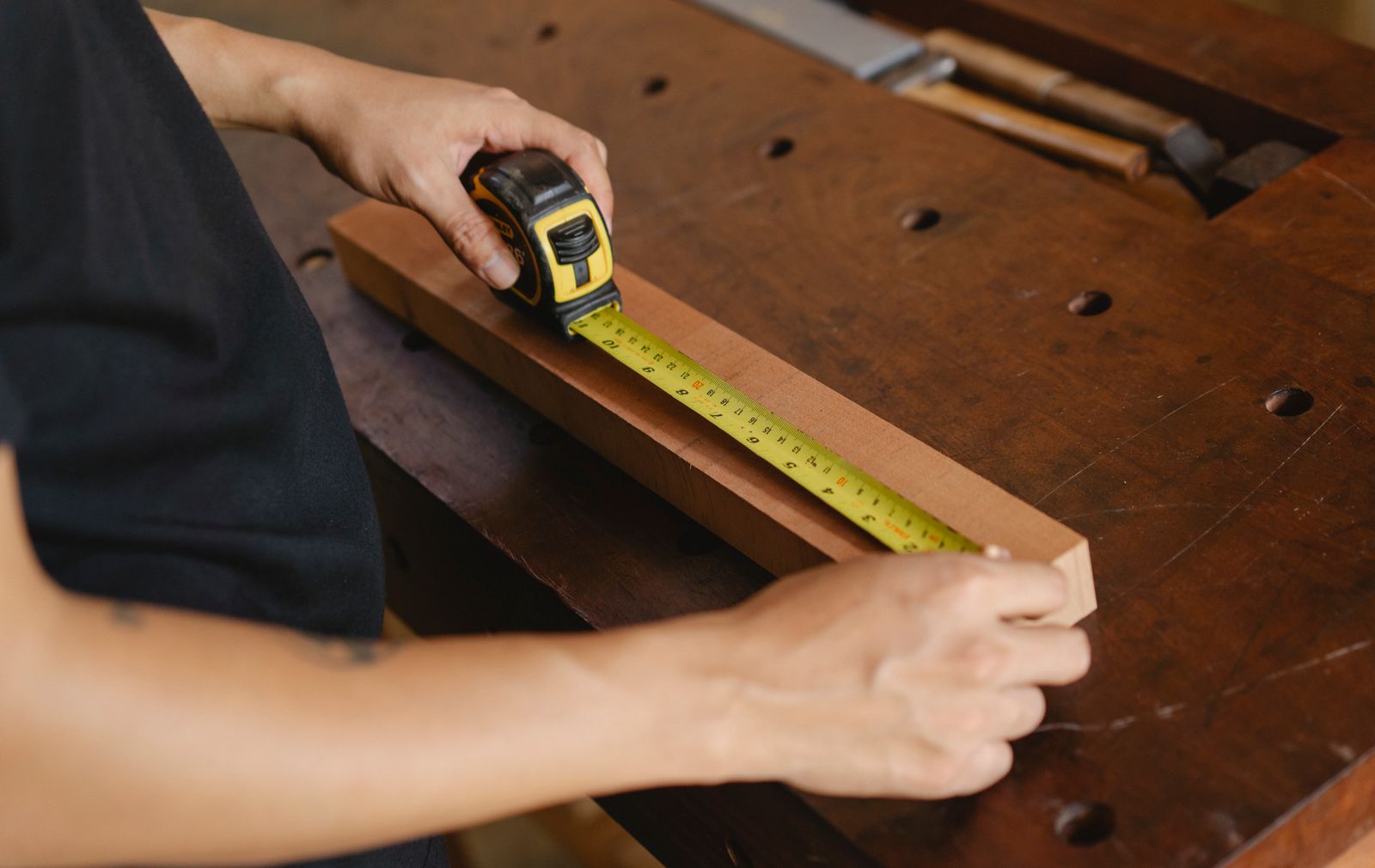
Words such as level, plumb, square and tolerance describe different aspects of alignment. Begin by identifying the datum, then confirm which direction, angle or permitted variation the specification describes.
Four questions that make product language easier to compare.
A number is only useful when the measurement method, working condition and compatible accessory are understood.
What is the maximum working size?
Look for jaw opening, cut depth, drill diameter, fastener range or load information.
Confirm the material and setup conditions attached to the rating.What must match?
Review shank, drive, arbor, voltage, battery platform, blade or accessory connection details.
Do not assume similar appearance means compatible fit.How is motion described?
Compare RPM, SPM, torque settings, impact rate or orbital action only within the relevant tool type.
Higher values do not automatically mean a better result for every task.Under what operating limits?
Check no-load language, duty cycle, material type, accessory rating and environmental restrictions.
Use the product instructions as the primary operating reference.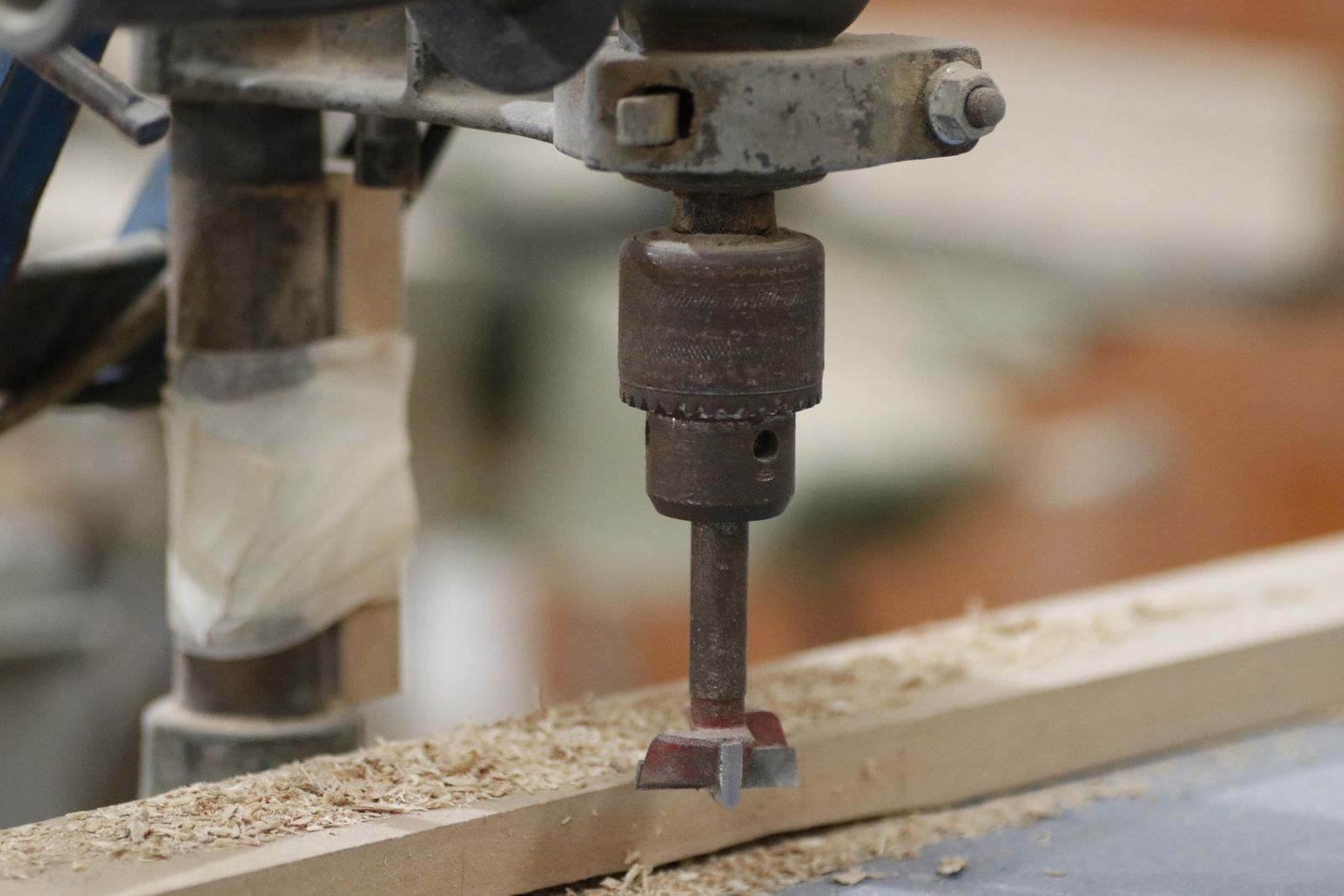
Separate the tool term from the accessory term.
Chuck, shank, arbor, drive size and battery platform describe different connection systems. Read the specification for both sides of the connection before installing an accessory.

Describe the task, not only the tool name.
A useful support question combines the tool type with the material, connection, capacity, accessory and intended result. This makes compatibility questions easier to understand and answer.
How to use tool terminology without losing the project context.
Definitions provide a starting point. The product instructions and exact specification remain the primary reference for operation and compatibility.
Why can the same term mean slightly different things across products?
What is the difference between torque and speed?
Does a physically fitting accessory automatically mean it is compatible?
How should I compare capacity specifications?
Which terms should I include when asking for product support?
Still comparing a specification or accessory term?
Share the tool type, material, model, connection size and the wording you are trying to interpret. HouseTool can help you narrow the product category and compatibility questions that deserve attention.