

Sustainability
Practical habits that help tools, hardware, and materials stay useful longer.
HouseTool supports a considered approach to project preparation: choose for the task, use responsibly, maintain equipment, organize reusable supplies, and avoid preventable replacement where appropriate.

Sustainability begins with fewer avoidable mistakes.
Choosing a tool, fastener, accessory, or material that fits the task can reduce incorrect purchases, damaged workpieces, wasted hardware, and unnecessary repeat work. Clear measurements and compatibility checks are practical first steps.
Care after use matters as well. Cleaning, inspection, protected storage, and timely replacement of worn accessories can help keep equipment ready for future work while supporting safer and more consistent use.
Measure before buying
Dimensions, material type, access, load, fastening method, and accessory compatibility should be reviewed before a project begins.
Maintain what you use
Routine inspection, cleaning, correct storage, and following manufacturer care guidance can support longer, more dependable service.
Organize reusable parts
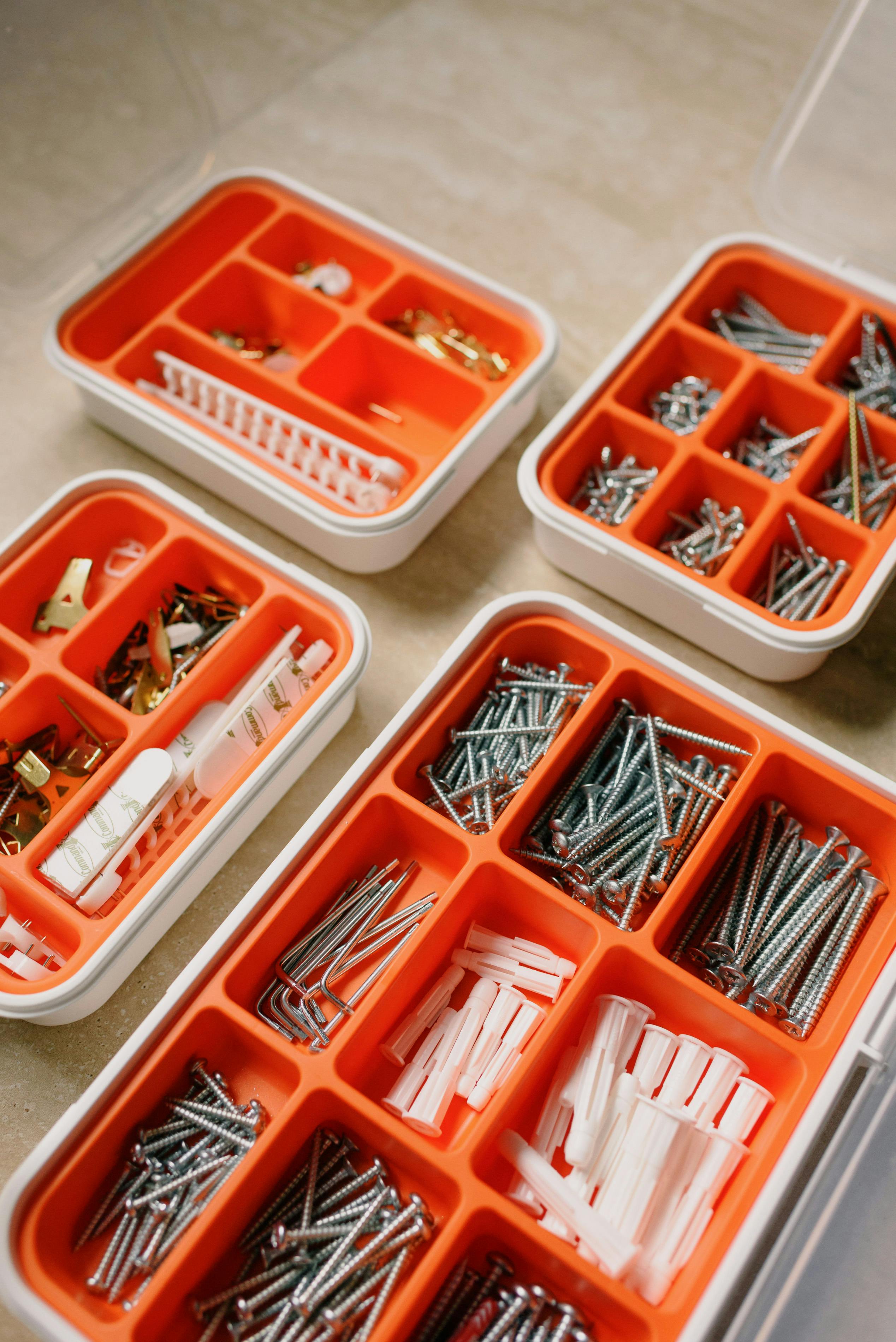
Keeping fasteners, anchors, fittings, bits, and accessories visible and labeled helps reduce duplicate purchases and lost supplies.
The most useful product is the one matched to the work.
Project requirements should guide selection. A tool or hardware item that fits the material, dimensions, operating range, and expected frequency of use is more likely to support controlled work and reduce avoidable replacement.
- Confirm the material and required finish.
- Check size, capacity, fit, and accessory type.
- Review power, charging, or manual-use requirements.
- Consider storage, care, and future project use.
Plan, use, inspect, store.
These four habits support more deliberate use of tools and supplies without making unsupported environmental claims or replacing product-specific instructions.
Plan accurately
Measure the work area, estimate material needs, and confirm the right fasteners, accessories, and safety equipment.
Use responsibly
Follow instructions, secure the workpiece, protect the surrounding area, and avoid forcing a tool beyond its intended use.
Inspect after work
Check blades, bits, cords, batteries, handles, guards, fittings, and other wear points before the next project.
Store with care
Clean equipment, separate sharp accessories, label reusable hardware, and keep products dry and easy to locate.
Sort, label, and reuse suitable fasteners and fittings.
Organized storage makes it easier to see what is already available before buying more. Keep reusable screws, anchors, hooks, bolts, washers, clips, and fittings separated by type and size, and discard damaged items responsibly according to local guidance.

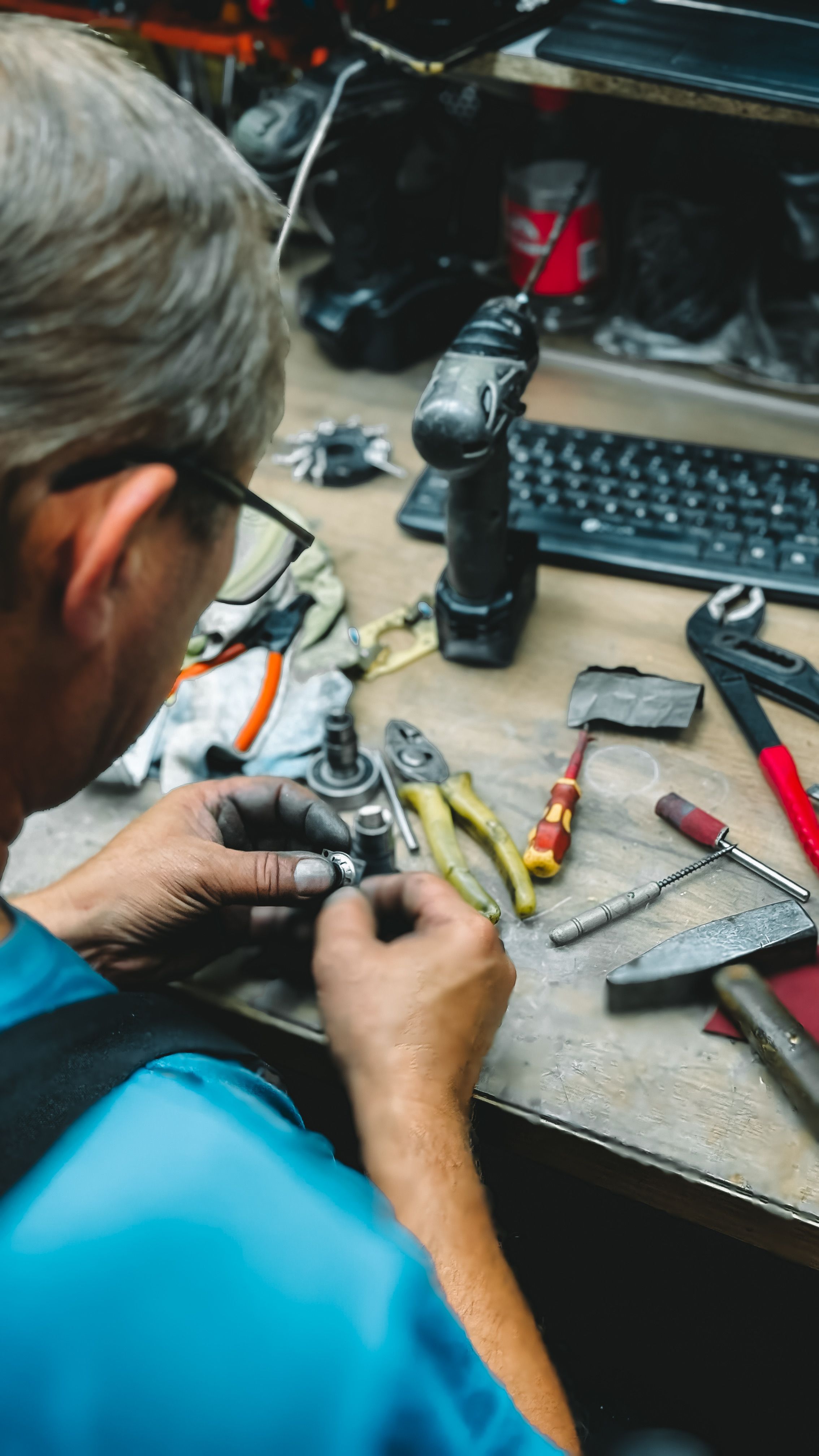
Maintenance is part of responsible ownership.
Before cleaning or inspection, disconnect applicable power sources and follow the product manual. Remove dust and debris using appropriate methods, keep ventilation areas clear, protect metal surfaces from moisture, and address worn accessories before the next use.
- Inspect handles, cords, guards, batteries, and fittings.
- Replace worn blades, bits, abrasives, or damaged parts.
- Store tools in a dry, secure, organized location.
- Use approved replacement parts and care methods.
Organization can help prevent unnecessary replacement.
Clear storage makes it easier to find the right tool, identify existing supplies, notice wear, and return accessories to a protected location after work.
Label by type and size
Separate fasteners, anchors, fittings, bits, and accessories so compatible items are easier to identify and reuse.
Protect working edges
Store blades, chisels, drill bits, and cutting accessories in suitable cases or holders to reduce damage and accidental contact.
Inspect before returning
Clean off debris, look for wear or damage, and keep items needing attention separate from equipment ready for use.
Clear store information for thoughtful project planning.
Contact HouseTool for general product-navigation questions, store information, or assistance locating relevant tool, hardware, and repair-supply collections.