

Buying Guides
Choose the right tool before the work begins.
A practical guide to matching tools, materials, accessories and safety equipment to the task in front of you—so every repair starts with a clearer plan.
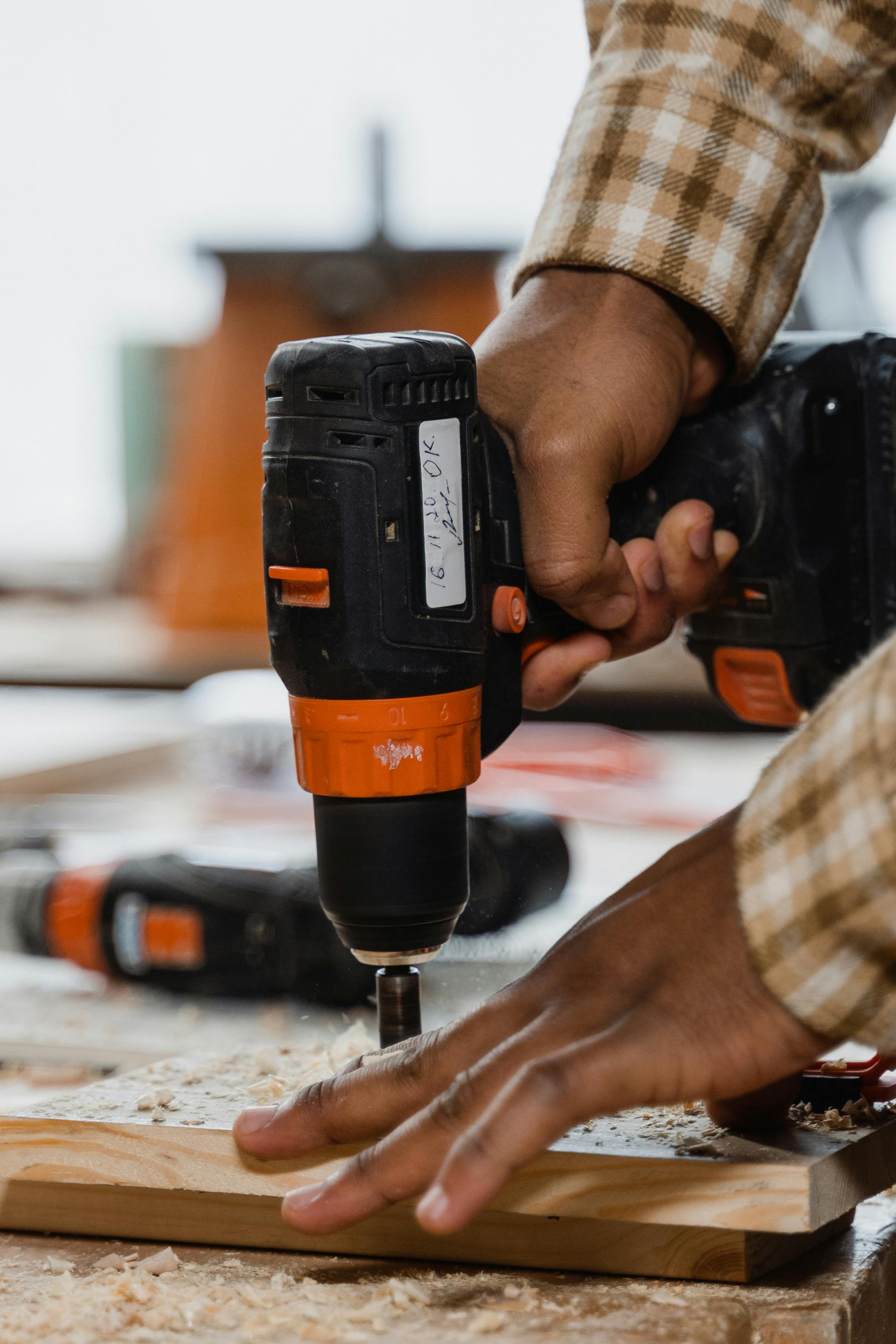
Four questions that narrow the field.
Use this sequence before comparing models. It helps separate the features you need from the features that simply add weight, cost or complexity.
What are you working on?
Identify the surface, thickness, condition and whether the work is structural, decorative or temporary.
What action is required?
Measure, drill, drive, cut, clamp, sand, grind, paint, seal, connect or remove.
How much control do you need?
Consider access, finish quality, repetition, precision, speed and the room available to work.
What protection is appropriate?
Plan eye, hand, hearing and respiratory protection before starting the task.
A dependable buying process for everyday repair work.
Good tool selection begins with a clear brief. Write down the job, the material and the result you need before you compare features.
Define the finished result
Decide whether the priority is a clean finish, fast progress, repeatable accuracy or safe removal.
Confirm material compatibility
Bits, blades, abrasives, anchors and adhesives must match the material as closely as the main tool does.
Check working capacity
Review maximum cut depth, chuck size, torque range, clamp opening, grit range or measuring length.
Plan the complete setup
Include batteries, chargers, consumables, dust control, storage and personal protective equipment.
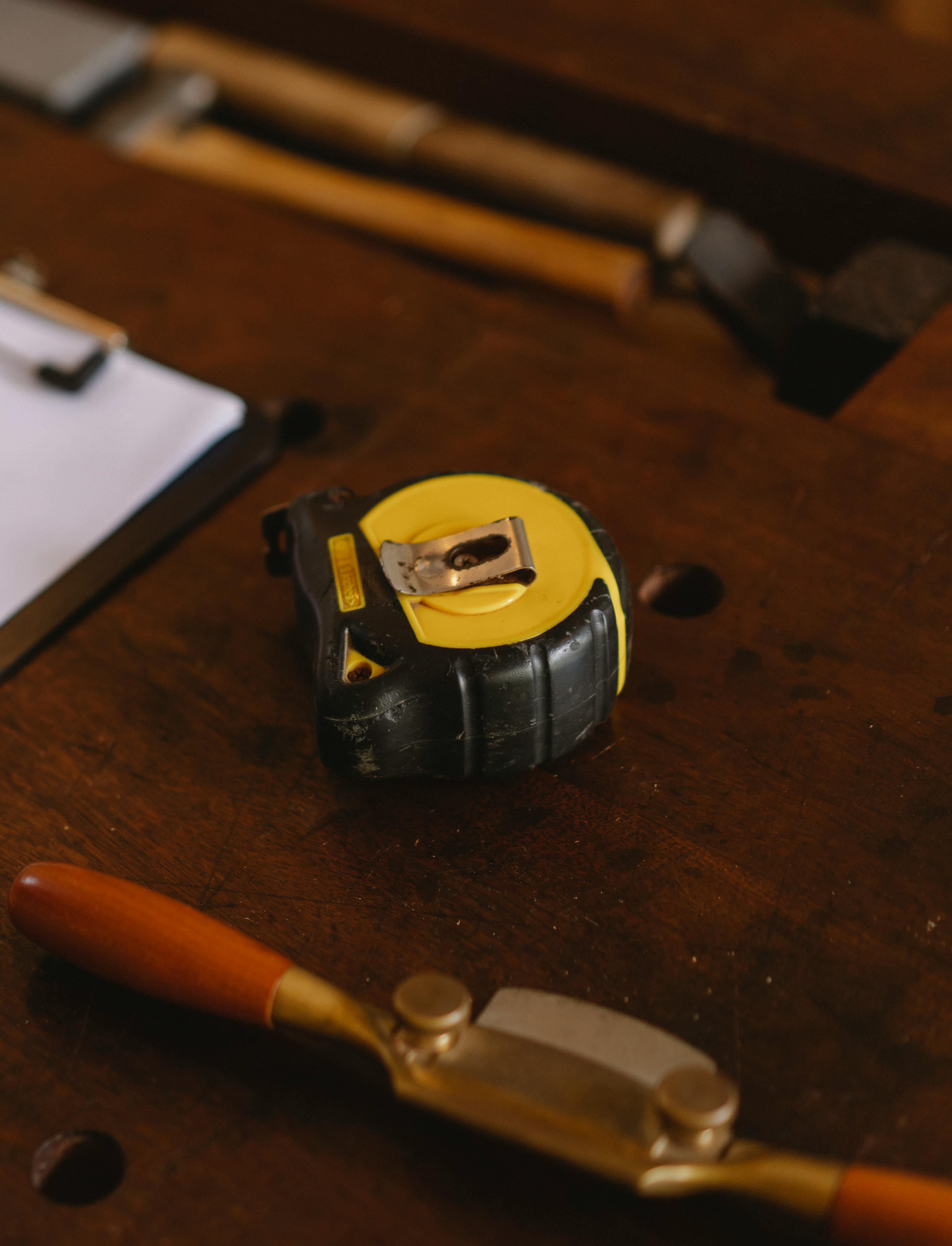
Accuracy comes from the whole layout system.
A tape measure is only one part of precise work. A dependable setup combines measuring, marking, checking and repeatable reference points.
Compare by control, capacity and the workpiece.
Power is useful only when it is matched with the correct speed, accessory and handling. A compact, controlled tool can be the better choice for detailed repair work.
Drills & Drivers
For pilot holes, general drilling and fastener installation across wood, metal and suitable masonry applications.
- Check chuck size and compatible bit shanks.
- Compare speed control and clutch settings.
- Match battery capacity to task duration.
Saws & Cutting
For straight cuts, curved cuts, trimming and material breakdown where blade type matters as much as tool format.
- Confirm cut depth and bevel capacity.
- Use a blade intended for the material.
- Plan support on both sides of the cut.
Sanders & Grinders
For surface preparation, material removal, shaping and finishing with the correct abrasive and controlled pressure.
- Select grit or wheel type for the surface.
- Review dust collection and guard setup.
- Use steady movement to reduce heat buildup.
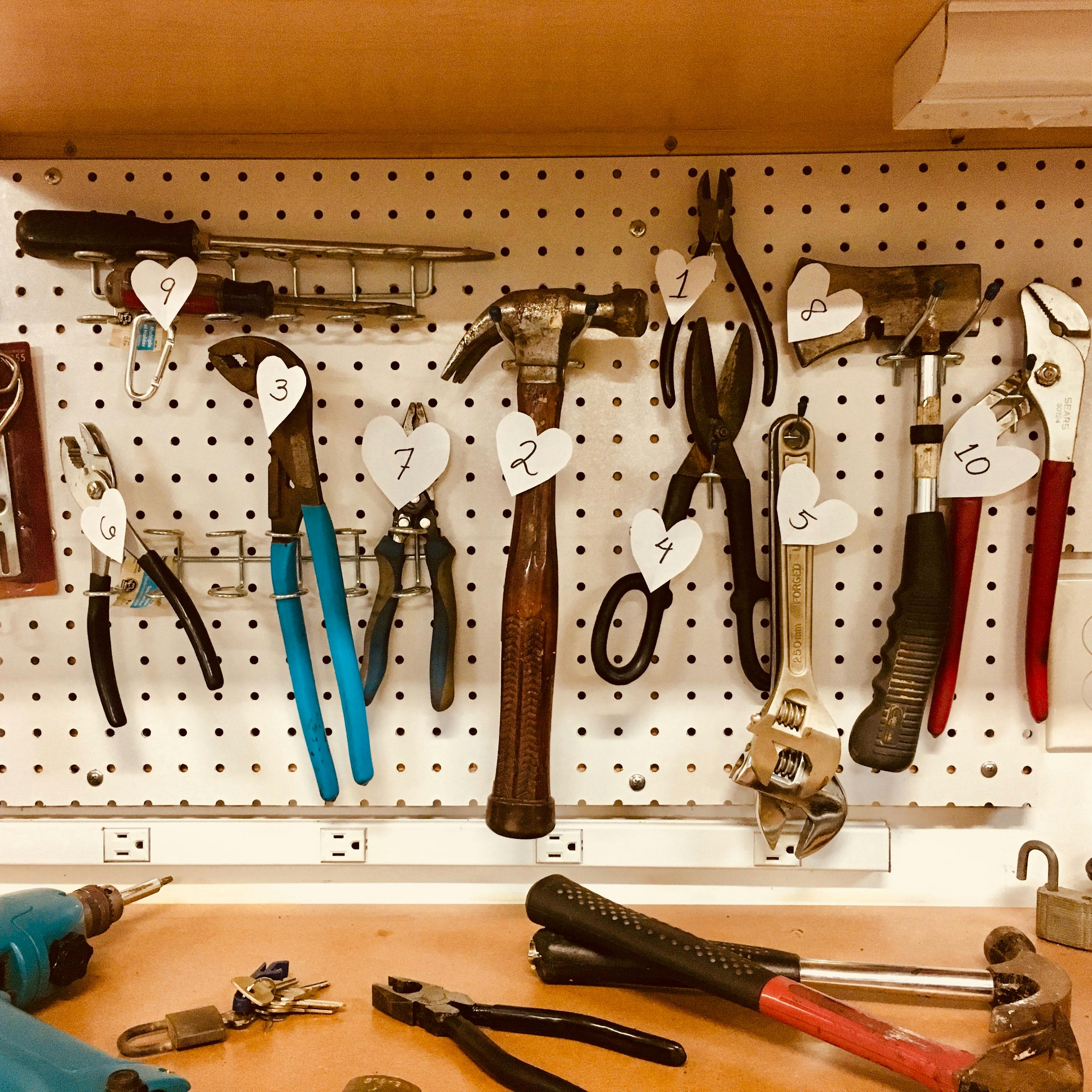
Build a core kit around grip, leverage and access.
A useful hand-tool kit is not the largest one. It is the set that covers common fasteners, reliable gripping, controlled striking and accurate adjustment without forcing the wrong tool into the job.
Plan the full job, not just the main tool.
A complete project list includes layout tools, consumables, fasteners, protection and cleanup—not only the tool that performs the main action.
Shelving & cabinetry
Measure, mark, drill pilot holes, drive fasteners and check final level.
Think about: drill bits, driver bits, level, clamps and suitable screws.Drywall fixing
Locate the fixing area, choose the correct anchor and control drilling depth.
Think about: detector, drill, anchors, screws and dust control.Preparation & finishing
Remove loose material, smooth transitions and prepare a clean, stable surface.
Think about: scraper, abrasive, sanding tool, mask and cleanup supplies.Plumbing adjustments
Identify fitting size, isolate the supply and protect finished surfaces.
Think about: adjustable wrench, pliers, sealing materials and a work light.
Choose protection with the same care as the tool.
Review the tool instructions, accessory limits and work area before starting. Protective equipment should suit the actual hazard created by the material and process.
Practical answers before you compare.
Specifications make more sense when they are tied to a real project. These answers help translate common terms into useful buying decisions.
Should I choose a corded or cordless power tool?
How do I know which drill bit or blade I need?
What matters most when choosing a hand tool?
Do I need separate tools for occasional home repair?
How should I compare battery platforms?
Need help narrowing the choice?
Share the material, task and access conditions with HouseTool. We can help you identify the tool type, working capacity and accessory considerations that fit the project.